 Free Palm Reading
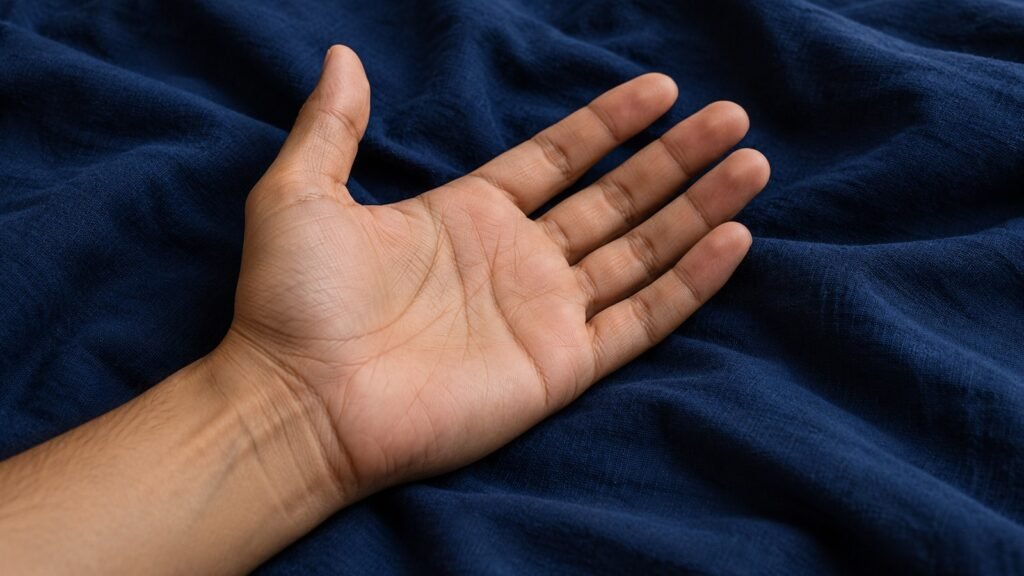
Friendship palm reading offers a fun, respectful way to spark meaningful conversations among friends by exploring traditional palmistry symbols as reflective prompts. By observing hand shapes and lines without claims of factual personality or destiny, you can use open-ended questions to deepen understanding and connection, all while honoring personal agency and avoiding predictions or judgments.
Understanding the Basics of Friendship Palm Reading
Friendship palm reading adapts traditional palmistry symbolism to encourage thoughtful discovery rather than fortune-telling. The process involves looking at common features on a friend’s palm—such as lines, mounts (the fleshy pads), and hand shape types—to spark conversation. It’s important to remember these features do not objectively reveal personality traits or predict outcomes but function as cultural storytelling tools for reflection.
Begin by asking permission to observe your friend’s dominant hand, as this hand traditionally represents current, active energies. Note the overall shape: is it square, rectangular, or elongated? Each shape has conventional traditional symbolism that can suggest certain temperaments or approaches to life, such as practical or creative tendencies.
When discussing lines like the heart line or headline, frame your questions respectfully to invite your friend’s own insights and memories rather than assert interpretations as facts. For example, describe the heart line as visually graceful or deep and ask, “What kinds of friendships have felt meaningful to you?” This invites dialogue without pressure.
Key Lines to Observe in Friendship Palm Reading
In friendship palm reading, a few primary lines offer a natural starting point because of their traditional symbolism related to emotion, intellect, and social connection. The heart line, headline, and life line are classic lines to observe, each reflecting historical beliefs and entertainment value rather than scientific certainty.
The heart line runs horizontally below the fingers and traditionally symbolizes emotional openness and relational warmth. A curved or long heart line is often said to indicate expressiveness in feelings, while a shorter or straighter line might reflect reserved affection in folk palmistry.
The headline typically curves or stretches beneath the heart line and relates to thought processes and decision-making style. Variations like breaks or forks in the line can spark questions such as “Do you find yourself weighing choices carefully or trusting your intuition with ease?” Again, this frames observations as prompts rather than factual assessments.
The life line curves around the base of the thumb. In traditional palmistry, it symbolizes vitality and life force but, for friendship reading, it’s best discussed metaphorically as a chat-starter on resilience or changes experienced, avoiding any fixed interpretations.
Exploring Palm Shape and Mounts in Friendship Contexts
Beyond lines, the shape of the hand and the ‘mounts,’ the padded areas beneath each finger, aid in generating friendly questions. Traditional symbols associate hand shapes with classical elemental types—earth, air, fire, and water—each suggesting general temperaments linked to qualities like practicality, creativity, enthusiasm, or sensitivity.
For example, an earth hand, typically broad with square fingers, is traditionally linked to groundedness and reliability. You might ask, “Do you find yourself drawn to dependable routines or steady friendships?” This question encourages reflection without rigid conclusions.
Mounts such as Mount Venus (under the thumb) and Mount Jupiter (below the index finger) historically represent different emotional styles. A pronounced Mount Venus suggests a warmth and affection in traditional symbolism, so a question like, “What kinds of kindness or support do you value most from friends?” invites storytelling connected to this feature.
Seeing these features through a symbolic lens allows both participants to engage playfully, creating mutual insight and deeper rapport.
Common Mistakes When Reading Palms with Friends
One frequent mistake is treating palmistry features as fixed truths about a person’s character or future. Friendship palm reading should always emphasize that traditional symbolism is interpretive and entertained as storytelling, not as scientific or psychological fact.
Another misstep is rushing through observations without inviting the friend’s responses. The activity works best as a gentle, open dialogue where questions lead to sharing rather than interpreting or labeling.
Also, avoid focusing on sensitive lines or folklore tied to delicate subjects like fertility or loyalty, which can create discomfort or misunderstanding. Respect for boundaries and voluntary participation is crucial.
Finally, misidentifying lines due to lack of familiarity can cause confusion. Observe carefully under good light, and use simple descriptive language like “long,” “curved,” or “broken” lines rather than complex jargon.
Step-by-Step Method to Spark Conversation With a Friend’s Palm
This simple step-by-step approach guides an engaging, respectful friendship palm reading:
- Ask Permission: Begin by asking if your friend is open to sharing their palm for a lighthearted exploration.
- Identify Hand Shape: Look at the whole hand shape, describe it briefly, and ask how they relate to traditional elements (earth, fire, air, water) to invite conversation.
- Observe Key Lines: Point out the heart, head, and life line shapes and invite thoughtful questions such as, “What kinds of emotional connections have been important to you?” or “How do you usually make decisions?”
- Explore Mounts: Notice padded areas beneath fingers, describe them, and ask about friendships or qualities linked to those traits in traditional stories.
- Encourage Sharing: Throughout, pause to listen and reflect on your friend’s answers, showing curiosity rather than judgment.
- Finish Lightly: End with encouragement about friendship growth or shared appreciation for reading palms together as a conversation starter.
This method centers connection and curiosity rather than predictive claims.
Fictional Example: A Friendship Palm Reading Conversation
Emma and Lucas meet for coffee and decide to explore palm reading as a fun activity. Emma asks Lucas if she can look at his dominant right hand. He nods, intrigued.
Emma notes Lucas’s hand is a classic “air” shape—long fingers and a rectangular palm. She says, “Air hands are often linked to thinkers and communicators. Do you enjoy deep conversations with friends?” Lucas smiles, “Definitely, I love exploring ideas.”
Looking at his heart line, Emma observes, “Your heart line is gently curved and long, which traditionally suggests openness in emotions. Would you say you express your feelings readily?” Lucas replies, “Sometimes I’m reserved, but with close friends, yes.”
Emma points out a break in Lucas’s headline and asks, “This might indicate changes in how you think about problems. Have you ever shifted your way of making decisions recently?” Lucas reflects and talks about new approaches at work. Finally, Emma notices Lucas’s pronounced Mount Venus and comments, “Traditionally linked to warmth, what acts of kindness mean most to you in friendship?” Lucas shares a recent story, deepening their bond through the friendly exploration.
Friendship Palm Reading Quick Reference Table
| Feature | Traditional Symbolism | Conversation Prompt Example |
|---|---|---|
| Heart Line | Emotional expression and relationships | “How do you usually show affection to friends?” |
| Headline | Thinking style and decision-making | “What helps you weigh your options?” |
| Life Line | Vitality and resilience (symbolic only) | “What moments have made you feel strongest?” |
| Earth Hand Shape | Practical and steady temperament | “Are routines important in your friendships?” |
| Mount Venus | Warmth and affection | “What kind of support feels most comforting?” |
Practical Exercise and Actionable Takeaways
Try this to deepen your friendship palm reading skills:
- Practice Observing: With a consenting friend, gently describe their hand shape and main lines using simple, clear terms (e.g., “your heart line is quite curved”).
- Ask Open Questions: Use the traditional symbolism as a prompt to invite stories or reflections. Avoid yes/no questions for richer dialogue.
- Respect Limits: Pay attention to your friend’s comfort and keep the tone light and fun. Remember it’s about connection, not diagnosis.
For additional guidance, explore resources at FreePalmReading.io to expand your respectful reading approach.
Frequently Asked Questions
Is friendship palm reading scientifically proven?
No, traditional palmistry is a cultural pastime and storytelling method without scientific evidence. Friendship palm reading uses these symbols to prompt reflection and conversation, not to reveal facts or predict outcomes.
What if my friend doesn’t have visible lines or clear mounts?
Hand features vary widely. You can still focus on general hand shapes and patterns. Use open-ended questions about feelings and experiences instead of line specifics when features are subtle.
Can I do friendship palm reading without prior palmistry knowledge?
Yes, basic understanding of hand shapes and key lines plus openness to dialogue is enough. Use gentle curiosity and encourage interpretation as shared storytelling rather than expert reading.
How do I avoid making my friend uncomfortable during a reading?
Always ask for permission first, avoid sensitive or intrusive questions, and keep the conversation lighthearted and voluntary. Focus on mutual sharing and respect boundaries.
Conclusion: Embrace Palm Reading as a Connector
Friendship palm reading, when approached with respect and curiosity, becomes an enjoyable way to deepen bonds and spark meaningful conversation. By using traditional palmistry symbolism as a playful vocabulary rather than fixed truth, you create space for stories, personal insights, and shared laughter. Remember, the real value lies in connecting—not in predictions—making it a warm, respectful tool to enrich your friendships.
Further Reading
- Cheiro’s Palmistry for All – Historical primary text providing traditional palmistry classifications and symbolism context.
- National Library of Medicine on Palmistry – Overview of chiromancy as entertainment from historical perspectives.
See what your own palm inspires
Bring these ideas to life with a reading focused on you. Choose a reading type and upload a clear palm photo to explore an encouraging interpretation.
Explore more palm reading and palmistry guides.