 Free Palm Reading
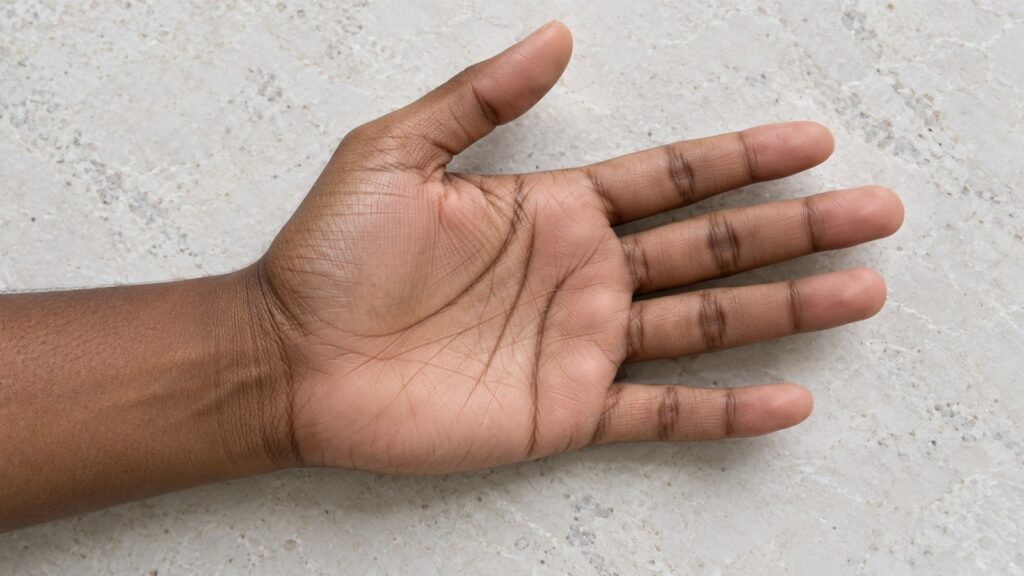
Thumb reading in palmistry involves observing traditional shapes, flexibility, and proportions of the thumb to symbolically reflect willpower, adaptability, and temperament. Palmists focus on the thumb’s three parts—the tip, the upper segment (phalanx), and the lower segment—to gauge traits like determination or openness without asserting fixed facts. This beginner-friendly guide helps you identify these features while understanding their symbolic nature.
Understanding the Thumb’s Anatomy in Palmistry
In palmistry, the thumb is often divided into three parts: the tip, the upper phalanx (the segment above the joint closest to the tip), and the lower phalanx (closest to the palm). Each part carries traditional symbolic weight. The upper phalanx is associated with willpower and logic, while the lower phalanx relates to practical skills and flexibility. The thumb’s position, length, and shape also feature in interpretations.
When observing, focus on the thumb’s length relative to the index finger and overall size compared to the palm. A long thumb traditionally suggests strong willpower, while a shorter thumb can indicate a more adaptable nature. The thumb’s flexibility—how far it can bend backward or sideways—is another key observation; excessive or limited flexibility reflects traditional metaphors about openness or steadiness.
Remember, these interpretations come from historical palmistry and should be viewed as symbolic pointers rather than personality facts. Observing the physical form of the thumb with an open mind encourages personal reflection and curiosity.
How to Observe Thumb Flexibility Safely
Flexibility is a primary focus in thumb reading but it’s important to observe without causing discomfort. Gently ask the person to move their thumb forward, backward, and sideways to see its range of motion naturally. Avoid forcing any movements or applying pressure; the goal is to note ease and natural flexibility, not to test physical limits.
Traditionally, a thumb that bends easily backward is linked to flexibility of thought and adaptability. In contrast, a stiffer thumb may symbolize steadiness and persistence. The middle position—neither too rigid nor overly flexible—reflects balance. Do consider that thumb flexibility can vary widely due to individual anatomy and physical differences, so it is not a definitive trait.
Watch for visible tension or discomfort, and do not make assumptions if a thumb appears less flexible due to injury or conditions unrelated to symbolism. Instead, focus on what the thumb’s natural movement suggests metaphorically.
Interpreting Thumb Length and Shape Traditions
When traditional palmists describe thumb length, they compare it to the index finger and overall hand size. A thumb longer than the first segment of the index finger is often said to show strong will, leadership, and determination. A shorter thumb traditionally symbolizes flexibility and a more relaxed approach to challenges.
Regarding shape, a broad and strong base may indicate groundedness and practical ability, while a slender base might be linked to sensitivity or elegance in traditional metaphor. The thumb tip can be pointed, square, or rounded—each shape has historical symbolism: pointed tips may allude to precision in thought, square tips to clarity and decisiveness, and rounded tips to warmth and adaptability.
These are symbolic rather than scientific interpretations. For beginners, the key is to use these observations as reflective tools: Does the thumb’s length or shape resonate with how you approach decisions? How might perceived attributes align with your experiences?
Common Missteps in Thumb Reading and How to Avoid Them
One frequent mistake among beginners is confusing natural physical differences with symbolic meaning. Thumb length and shape vary widely across populations without implying fixed traits. Avoid trying to “diagnose” personality by thumb appearance alone, and do not force flexibility or compare thumbs harshly against an ideal standard.
Another misstep is applying rigid judgments from one cultural or historical source without acknowledging that palmistry traditions differ widely. What one system associates with “strong will,” another may interpret differently or not at all. It’s helpful to remain open to nuance and avoid moralizing the observations.
Also, be mindful not to project assumptions based on gender, age, or occupation. The thumb’s symbolic meaning is meant as an entertaining, personal reflection rather than a strict guideline. Take notes carefully, and when sharing, frame interpretations as possibilities, not certainties.
Step-by-Step Method to Practice Thumb Observation
To start observing thumb characteristics effectively, try this step-by-step approach:
- Position your hand comfortably: Hold your palm up relaxed, fingers slightly apart.
- Measure Thumb Length: Compare the thumb’s length to your index finger’s first phalanx (between the two joints closest to the palm). Note if the thumb is longer, equal, or shorter.
- Examine Thumb Shape: Observe thumb base width, tip shape (pointed, square, round), and overall thickness.
- Test Flexibility gently: Move your thumb backward and sideways naturally, noting how far it bends without pushing.
- Record Observations: Write down what you see, noting any traits that stand out.
- Consider Traditional Symbolism: Reflect on associations like willpower (long thumb), flexibility (bending thumb), or practical nature (broad base), adjusting for your own experiences.
This method helps build awareness with curiosity rather than judgment. Tracking over time can deepen your personal understanding.
Fictional Example of Thumb Reading
Ella is curious about her thumb’s traditional palmistry meanings. She notices her thumb is roughly equal in length to the top segment of her index finger, with a slightly broad base and a rounded tip. Gently, she moves her thumb backward and sideways—it bends moderately but not excessively.
Using traditional symbolism, Ella reflects that her thumb’s balanced length may indicate steady determination without being overpowering, while her thumb’s rounded tip suggests adaptability and warmth. The moderate flexibility aligns with a flexible but consistent approach to challenges.
Rather than taking this as a fixed personality profile, Ella uses these pointers as a prompt to consider how she manages willpower and change in her life. She appreciates the symbolism as a lighthearted way to engage with self-awareness.
Compact Checklist for Thumb Reading Beginners
| Aspect | What to Observe | Traditional Symbolism | Interpretation Hint |
|---|---|---|---|
| Thumb Length | Relative to index finger’s first segment | Long = strong will; Short = flexibility | Reflect on personal balance of willpower vs adaptability |
| Thumb Base Width | Broad, medium, or narrow | Broad = practical grounding; Narrow = sensitivity | Consider groundedness in daily tasks |
| Tip Shape | Pointed, square, round | Pointed = precision; Square = decisiveness; Round = adaptability | Think about decision styles and warmth |
| Flexibility | Ease of bending backward/sideways | Flexible = openness; Stiff = steadiness | Note natural mobility, avoid forcing movements |
Practical Exercise and Takeaways for Learners
Try this simple exercise to deepen your thumb reading practice: Each day for a week, observe your thumb in the morning and evening. Note any changes in flexibility due to fatigue or activity, and record your reflections on how the traditional symbolism might relate to your mood or decisions that day.
Three actionable takeaways:
- Observe without judgment: Focus on what you see, not what you expect.
- Use symbolism as prompts: Let traditional meanings inspire personal questions rather than conclusions.
- Respect physical diversity: Appreciate that thumb traits vary widely and do not predict behavior.
This mindful practice enriches your curiosity and connection without pressure. For more steps on palm reading basics, visit FreePalmReading.io reading steps.
Frequently Asked Questions About Thumb Reading
Does thumb length reveal a fixed personality trait?
Traditional palmistry associates thumb length with willpower or flexibility, but these are symbolic metaphors rather than fixed facts. Thumb size varies naturally among individuals and populations without defining personality.
Is it safe to test thumb flexibility?
Yes, gentle and voluntary thumb movements are safe to observe. Avoid forcing movements or pushing the thumb beyond comfort to prevent strain or injury.
Can I compare my thumb to others’ thumbs for accurate readings?
Comparisons can offer perspective but beware of unrealistic standards. Thumb traits vary broadly, so focus on your own observations without judgment or ranking.
Do different palmistry traditions interpret the thumb’s meaning the same way?
No. Palmistry traditions vary by culture and historical context. Interpretations differ, so it’s helpful to explore multiple views and treat symbolism as reflective, not prescriptive.
Encouraging Conclusion
Thumb reading offers a captivating window into traditional symbolic ideas of willpower and adaptability. As a beginner, approaching the thumb’s features with gentle curiosity rather than strict judgment opens space for personal reflection and discovery. Observe thoughtfully, respect diversity, and enjoy how these metaphors might enhance your understanding of yourself and others. Remember, palmistry is a playful, cultural storytelling tradition — your unique experiences shape its meaning most of all.
Further Reading
- Cheiro’s Palmistry for All – A historical primary text on traditional palmistry with symbolism and classifications.
- FreePalmReading.io – A resource for beginners interested in symbolic palm reading techniques and interpretations.
See what your own palm inspires
Bring these ideas to life with a reading focused on you. Choose a reading type and upload a clear palm photo to explore an encouraging interpretation.
Explore more palm reading and palmistry guides.