 Free Palm Reading
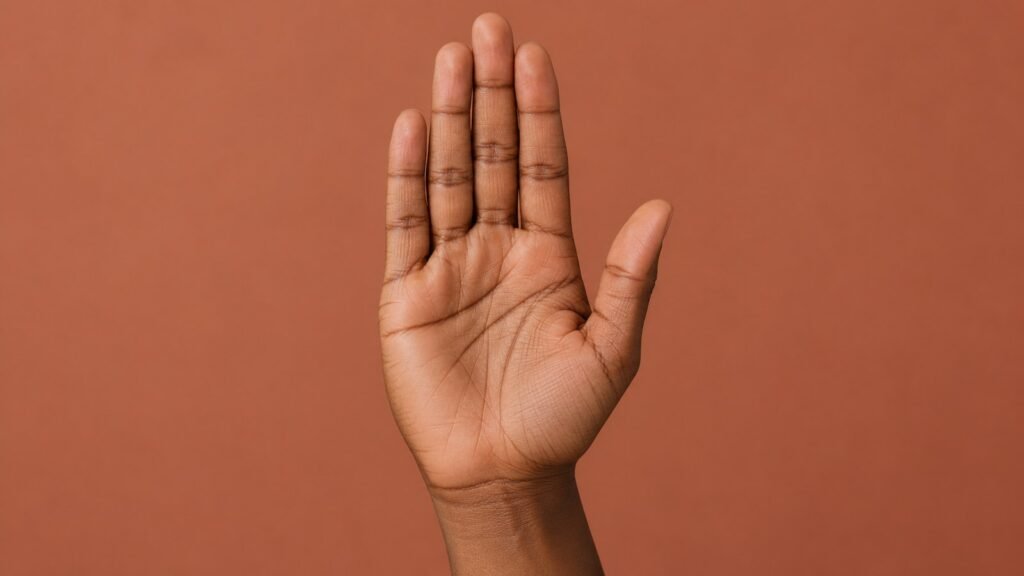
Finger length in palmistry involves careful observation of the relative size and proportions of each finger compared to one another and to the palm. Traditional palmists believe these proportions symbolically suggest personality tendencies and traits, but no scientific basis supports these claims. Instead, comparing finger lengths offers a meaningful way to explore traditional symbolism and encourage personal reflection without judgment or fixed conclusions.
Understanding Finger Proportions: What to Observe
When examining finger length in palmistry, start by observing how each finger’s length compares to the others. Fingers are traditionally named for planetary associations: the index (Jupiter), middle (Saturn), ring (Apollo or Sun), and little (Mercury). The thumb, while differently set, can also be measured in relation to these. Look at the relative length of each finger versus the middle finger, which generally serves as a standard reference point because it is usually the longest.
Notice if a finger is particularly long or short compared to the others. For example, a longer index finger traditionally symbolizes leadership qualities, while a longer ring finger suggests creativity or artistic talent. The little finger’s length is said to relate to communication skills. Precise observation includes looking at whether the tip of one finger reaches a particular joint or crease of the adjacent finger.
Important: finger length comparisons should be made from the base where the finger joins the palm, not from the knuckles or any other point. Avoid estimating visually at awkward angles; instead, place your hand flat and observe perpendicular to your line of sight. Using a ruler or a card can help measure finger length exactly.
Historical Symbolism Behind Finger Lengths
The tradition of linking finger lengths to symbolic meanings dates back centuries and varies across cultures. A classical European palmistry perspective assigns specific planetary influences to each finger, correlating to personality traits or life interests. For example, the index finger (Jupiter) historically signifies ambition and leadership. A long index was interpreted as someone who might take initiative or seek authority.
The middle finger (Saturn) is tied to responsibility and balance; longer than other fingers, it has been seen as a sign of maturity or seriousness. The ring finger (Apollo or Sun) is connected to creativity and fame, so longer length here traditionally “indicates” artistic or sociable tendencies. The little finger (Mercury) relates symbolically to communication skills or adaptability.
Though often discussed, these meanings are not universally agreed upon and evolved over different palmistry systems. The thumb, with its unique opposability, is sometimes assessed separately for its length and flexibility, symbolizing willpower or logic. These symbolic traditions provide a lens for exploring personality metaphorically rather than literal truth.
Step-by-Step Method to Compare Finger Lengths
To practice comparing finger lengths accurately and thoughtfully, follow this simple step-by-step approach:
- Place your hand flat, palm up. Make sure your fingers are straight but relaxed to avoid distortion.
- Identify the fingers. From index (next to thumb) to little finger, count four main fingers plus the thumb.
- Choose a consistent starting point. Measure from the crease where the finger joins the palm at the base to the fingertip.
- Use a ruler or measuring tape. Record each finger’s length in centimeters or millimeters for clarity.
- Compare each measurement. Note which finger is longest, shortest, and how others relate in proportion.
- Look for specific traditional markers. For example: does the index finger reach the first joint of the middle finger (traditional Jupiter length)? Is the ring finger longer than the index, etc.
This method prevents rushed or inaccurate estimations and helps you connect observation to symbolic meanings comfortably.
Common Mistakes When Assessing Finger Length
Many beginners make common errors while comparing finger lengths that can skew understanding or cause frustration. One widespread mistake is measuring from the wrong starting point. Some assume knuckles represent finger bases, but the crease where the finger attaches to the palm is the conventional base.
Another error is observing fingers when curled, bent, or at an angle, which distorts length perception. Fingers must be relaxed and straightened on a flat surface. Also, ignoring the difference in finger thickness or shape might lead to confusion; focus strictly on length for this purpose.
Lastly, overinterpreting the symbolism is a frequent pitfall. Remember, traditional palmistry symbolism around finger length is a cultural narrative, not ability judgment or personality diagnosis. Avoid assuming someone “has to be” a certain way based on finger length alone. Instead, treat these observations as fun personal exploration.
Comparison Table: Finger Length and Traditional Symbolism
| Finger | Measured Length Usage | Traditional Symbolic Meaning |
|---|---|---|
| Index (Jupiter) | Check if it reaches first joint of middle finger | Leadership, ambition, confidence |
| Middle (Saturn) | Usually longest finger; balance point | Responsibility, seriousness, maturity |
| Ring (Apollo) | Compare length against index finger | Creativity, sociability, artistic talent |
| Little (Mercury) | Relative length guides communication traits | Adaptability, communication skills, wit |
| Thumb | Length and flexibility assessed separately | Willpower, logic, self-control |
Fictional Example: Examining Finger Lengths
Consider a fictional person named Maya curious about finger length symbolism. Maya places her right hand palm-up on a table. The index finger reaches just beyond the first joint of her middle finger, measuring slightly longer than average. The middle finger, as expected, is the longest. Her ring finger is shorter than the index finger, and the little finger barely reaches the first joint of the ring finger. The thumb is proportionally sized and flexible.
Using traditional interpretations, Maya notices the longer index finger symbolizes ambition and leadership qualities. The ring finger being shorter may traditionally indicate a lesser focus on artistic pursuits in contrast. The relatively shorter little finger might hint at reserved communication traits, while a flexible thumb shows balanced willpower. Maya appreciates that these are symbolic, not definite descriptions, but the observations stimulate thoughtful reflection on her strengths and areas for growth.
Three Specific Frequently Asked Questions
Does finger length really predict personality?
Finger length interpretations come from traditional symbolism and are not scientifically proven personality predictors. They serve as metaphors that may inspire personal insight but should not be seen as factual or deterministic.
How can I be sure I’m measuring finger lengths correctly?
Place your hand flat and fingers straight on a surface. Measure from the crease at the base of the finger (where it meets the palm) to the tip. Avoid bent fingers or knuckle-based measurements to ensure accuracy.
Is finger length the same on both hands?
Finger length can vary slightly between your dominant and non-dominant hands, and traditional palmistry sometimes interprets hands differently. Observing both hands gives a fuller symbolic perspective but remember it’s all symbolic, not absolute.
Can my finger lengths change over time?
Finger bones stop growing after adolescence, so lengths remain consistent. Changes in perception can arise if finger posture or swelling occurs, but overall bone length is stable.
Practical Exercise and Three Takeaways
Try this exercise to deepen your understanding:
- Place your hand palm-up on a flat surface and straighten the fingers comfortably.
- Measure the length of each finger from the base crease to the tip using a ruler or card.
- Note the relative lengths and compare your findings with the traditional symbolism table above.
- Reflect on how these traditional descriptions resonate with your self-perception or personal goals, bearing in mind the symbolic and entertaining nature of palmistry.
Takeaways to remember:
- 1. Finger length comparisons are symbolic and culturally rooted traditional interpretations, not scientific assessments.
- 2. Accurate observation requires clear, consistent measurement techniques focused on base-to-tip length.
- 3. Use finger length symbolism as a tool for self-reflection and storytelling rather than fixed personality judgment.
For guided steps and further exploration, visit FreePalmReading.io’s step-by-step palm reading guide.
Conclusion
Comparing finger lengths in palmistry offers an accessible entry point into the world of traditional hand symbolism. Observing proportions carefully enables meaningful exploration of historical beliefs tied to personality and life themes without relying on unsupported truths. By measuring from palm crease to fingertip accurately, respecting the variability between hands, and recognizing symbolism as cultural storytelling, you can enjoy palmistry as a reflective and engaging pastime. This encourages a warm and open mindset toward personal growth and curiosity through your own palm’s unique contours.
Further Reading
See what your own palm inspires
Bring these ideas to life with a reading focused on you. Choose a reading type and upload a clear palm photo to explore an encouraging interpretation.
Explore more palm reading and palmistry guides.