 Free Palm Reading
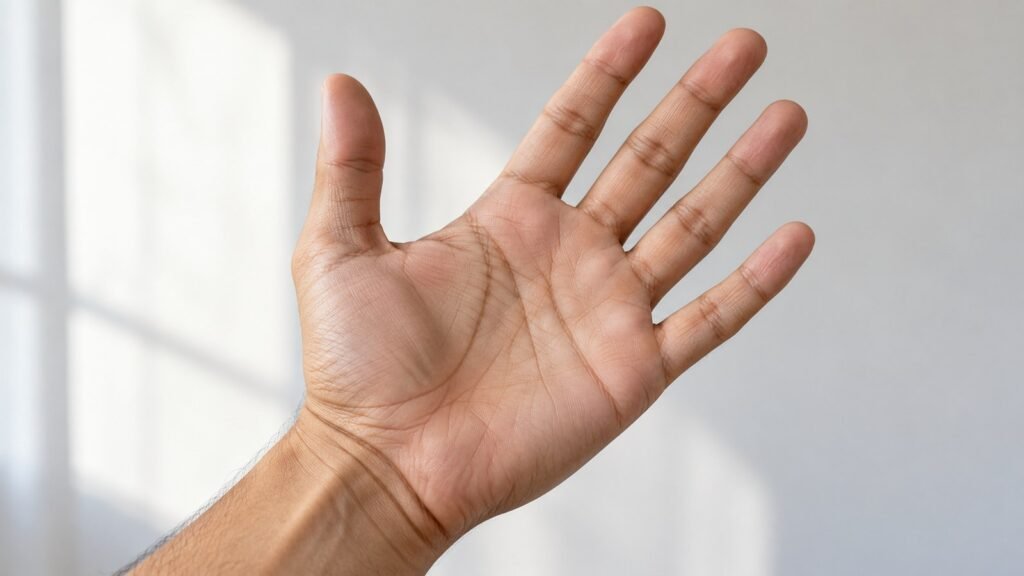
The Mount of Venus is the fleshy, rounded area at the base of the thumb in palmistry. Traditionally, it symbolizes love, passion, vitality, and personal charm rather than any proven personality trait. Its size, markings, and texture are observed to reflect emotional warmth and enthusiasm, but these meanings come from historical beliefs rather than scientific evidence. Recognizing its location and interpreting it carefully as tradition advises is key for beginners exploring palm reading with an open mind.
Locating the Mount of Venus on the Palm
The Mount of Venus occupies the padded, bulbous area at the base of the thumb, bounded by the life line curving around the thumb’s root and the first finger’s inner edge. It is one of the seven classic mounts in traditional palmistry, named after the Roman goddess of love, Venus. Beginners can find it by flexing the thumb inward and noticing the raised mound that becomes prominent. This softness contrasts with the firmer palm center and tighter regions around other fingers.
Awareness is needed to avoid confusing the Mount of Venus with nearby areas such as the Mount of Jupiter, found beneath the index finger, or the palm’s midsection. The size of the Mount can vary widely from hand to hand—some have a prominent fleshy mound, others a flatter area. Being a “mount” means it is typically slightly raised, a natural fatty pad, rather than a flat or recessed zone. Observing it in different hand postures can help confirm its boundaries.
It’s important to note that skin texture, sweat, or hand movement sometimes make this area more or less pronounced, so try to view the mount with the hand relaxed and fingers spread.
Traditional Symbolism of the Mount of Venus
In classical palmistry, the Mount of Venus is traditionally seen as the center of love, romance, physical vitality, and sensual pleasure. Its prominence is thought to indicate a passionate, affectionate nature, while a flatter or underdeveloped Mount might suggest practical restraint or emotional coolness. These ideas come from centuries-old cultural associations rather than anatomical fact.
The Mount of Venus also connects traditionally with personal charm, warmth, and enthusiasm for life. A well-shaped mount might be interpreted as reflecting strong appetites for experience, both emotional and physical. Historically, palmists have linked bumps or markings here to aspects like generosity or the potential for affectionate relationships, but these claims are symbolic traditions, not proven psychological traits.
Some old systems also associate this mount with physical energy and health related to blood circulation, but such claims should be viewed critically as folklore. Like other mounts, it is part of a system designed to encourage self-reflection rather than to deliver scientific insight or literal predictions.
Observing Features and Markings on the Mount of Venus
Practitioners traditionally look for several features on the Mount of Venus to “read” it, including its size, texture, color, and any lines or markings. Larger mounts often indicate warmth and emotional expressiveness, while smaller mounts might relate to cautiousness or independence in relationships.
Distinctive markings such as crosses, stars, or grids are believed by some palmists to carry special meanings. For example, a star might symbolize sudden or intense emotional experiences, while cross lines might suggest struggles or complexities in love life. Nevertheless, these interpretations come from palmistry lore and cannot be confirmed as factual insights about personality or destiny.
The texture of the skin can also be noted: a soft, moist Mount of Venus is traditionally thought to indicate kindness and sociability, whereas a dry or rough mount might reflect a reserved or cautious emotional nature. Again, these are traditional views and dependent on cultural context.
Importantly, such observations should be made carefully and compared with other hand features to avoid overemphasizing any one sign.
Step-by-Step Guide to Exploring the Mount of Venus
- Relax and Position the Hand: Hold the palm facing upward with fingers naturally relaxed and slightly apart to clearly see the base of the thumb.
- Identify the Mount’s Boundary: Locate the fleshy mound below the thumb and above the life line, noting its shape and how much it protrudes.
- Check Texture and Color: Gently touch the mount to gauge softness and observe skin shade or any unusual coloring or redness.
- Look for Markings: Using good light, scan for lines, crosses, stars, or grids that might appear on the mount.
- Reflect on Tradition: Consider traditional symbolic meanings but remember these are cultural stories—not scientific facts.
- Compare Both Hands: Variation between the dominant and non-dominant hand is often noted in palmistry and can deepen personal reflection.
- Journal Your Observations: Write down what you see and how you feel about the mount’s qualities, linking them to your own understanding of affection, vitality, or enthusiasm.
This stepwise approach encourages mindful observation without overclaiming certainty or attributing fixed traits.
Common Mistakes When Reading the Mount of Venus
- Misidentifying the Location: Confusing the Mount of Venus with the Pad below the index finger (Mount of Jupiter) or the center of the palm can lead to misinterpretation.
- Assuming Fixed Personality Traits: Traditional meanings are symbolic, not scientific. Don’t claim the mount proves anyone’s personality or destiny.
- Overvaluing Small Markings: Many lines or spots on the mount are natural skin creases or marks. Take care not to read too much into minor features.
- Ignoring Hand Condition: Dry skin, scars, or calluses can affect appearance; factor in these physical realities rather than linking them directly to character.
- Forgetting Cultural Variance: Different palmistry traditions assign slightly varied meanings. Be open to nuance rather than rigid interpretation.
Fictional Example: Exploring the Mount of Venus
Emma, curious to learn palmistry, examines her right hand’s Mount of Venus. She notices it is moderately raised and soft to the touch, with a faint cross mark near the life line. Remembering tradition, Emma reflects that a well-developed mount might symbolize warmth and enthusiasm in relationships, while the cross could hint at emotional challenges. She writes in her journal about her affectionate friendships and how she sometimes feels cautious in new love. Emma understands these observations as prompts for self-reflection inspired by traditional symbolism, rather than definitive statements about her personality. Comparing with her left hand, she notes a smaller Mount of Venus, reminding her that traits are fluid and multifaceted. This exercise encourages Emma to explore her feelings thoughtfully, using the mount’s symbolism as one of many lenses.
Mount of Venus Comparison Checklist
| Feature | Traditional Interpretation | Observation Tips |
|---|---|---|
| Size | Large: Warmth, affection; Small: Reserved nature | Compare prominence; note natural mound shape |
| Texture | Soft/moist: Kindness; Dry/rough: Cautiousness | Gently feel skin; consider hand condition |
| Markings | Stars: Intense emotions; Crosses: Challenges | Use light to spot marks; avoid overinterpretation |
| Color | Rosy: Vitality; Pale/red spots: Possible excitement or tension | Look for subtle color changes; avoid health assumptions |
FAQs About the Mount of Venus
Does the Mount of Venus predict how someone loves or feels?
Traditionally, the Mount of Venus symbolizes love and passion, but these meanings are cultural beliefs, not proven predictions. It serves as a symbolic tool for reflection rather than a literal forecast of emotions.
Can the size of the Mount of Venus change over time?
The fleshy mount may appear slightly different due to weight changes, skin health, or age, but these physical changes don’t necessarily imply personality changes. Palmistry views don’t account for biological fluctuations.
Is a large Mount of Venus always a good sign?
Traditional palmistry associates a larger mount with warmth and passion, but there’s no universal “good” or “bad” meaning. Interpretations vary, emphasizing personal insight over judgement.
How do I distinguish the Mount of Venus from the life line?
The Mount of Venus forms the fatty area under the thumb above the life line. The life line curves around this area but is a line, not a mount. Observing the mount’s softness and rounding helps avoid confusion.
Practical Exercise and Takeaways
- Locate Your Mount of Venus: Hold your palm upward, relax your hand, and observe the mound below the thumb carefully.
- Compare Both Hands: Note differences between your dominant and non-dominant hand’s Mount of Venus for a fuller view.
- Reflect on Symbolism: Write in a journal what the traditional meanings might inspire you to consider about your relationships and vitality, remembering these are interpretive tools, not facts.
This mindful exploration fosters self-awareness supported by tradition rather than certainty. To deepen your journey, visit the step-by-step guide at FreePalmReading.io reading basics.
Conclusion
The Mount of Venus offers a rich symbol in traditional palmistry, inviting reflection on love, vitality, and personal warmth. While its size and markings have long been associated with emotional qualities, these meanings remain cultural narratives rather than scientific fact. Beginners can enjoy learning to spot and interpret this mount as an invitation to thoughtful self-exploration, embracing palmistry’s tradition with curiosity and caution. Remember, the Mount of Venus, like all palm features, is part of a larger tapestry—an entertaining lens rather than a definitive portrait of your character or destiny.
Further Reading
- Cheiro’s Palmistry for All (Historical Source): A primary text outlining classical mounts and their traditional meanings.
- Palmistry as Historical Entertainment (NLM): Contextualizes palmistry in cultural history rather than scientific practice.
See what your own palm inspires
Bring these ideas to life with a reading focused on you. Choose a reading type and upload a clear palm photo to explore an encouraging interpretation.
Explore more palm reading and palmistry guides.