 Free Palm Reading
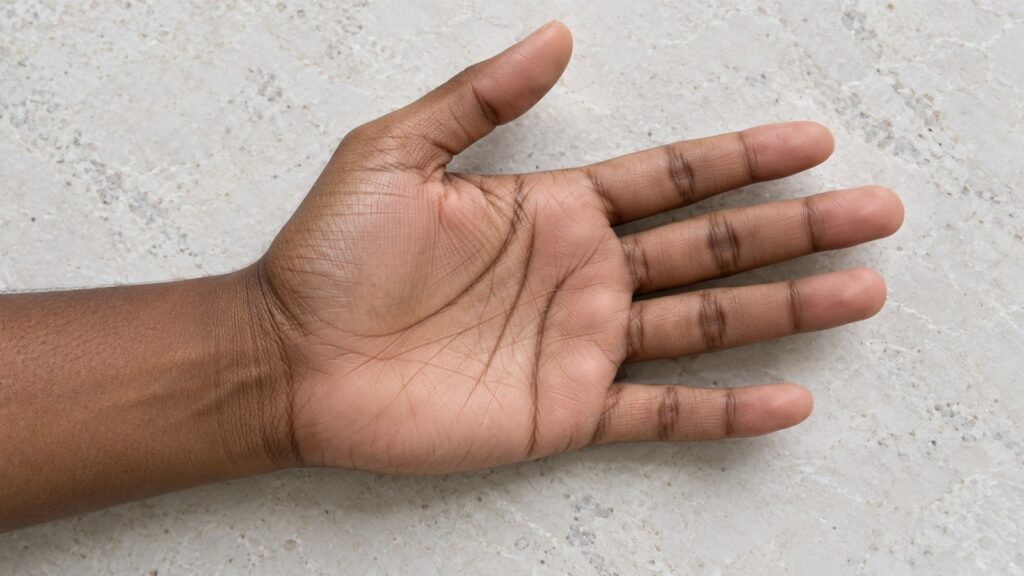
A short life line is traditionally seen in palmistry as a symbol of the quality and intensity of life experiences rather than a literal indicator of lifespan or health. While many people mistakenly believe the length of the life line predicts how long someone will live, classical palmistry clearly treats it as a reflection of vitality, resilience, and personal journey. Understanding this line’s position, strength, and variations offers meaningful insights without resorting to myths about mortality or medical conditions.
Identifying the Life Line: Basic Observation Techniques
The life line is one of the three major lines in palmistry, curving around the base of the thumb. To locate it, trace the semicircular line that begins between the thumb and index finger, curving downward toward the wrist’s edge. Its path visually frames the mount of Venus, the fleshy ball beneath the thumb. Note that this line varies greatly: some life lines are deep and unbroken, while others are faint, short, or fragmented. These features must be carefully observed under natural light without pressing on the skin, as pressure or hand movement can alter appearance.
One common mistake is confusing the life line with nearby lines such as the headline. The life line typically arcs distinctly, surrounding the thumb, whereas the headline runs horizontally below the index finger across the palm center. Using a magnifying lens and comparing both hands can help clarify these features.
Remember, observing a line’s shape, length, breaks, and presence provides a basis for traditional symbolic interpretation rather than factual diagnosis. Always consider the whole palm context for a balanced view.
Traditional Symbolism of a Short Life Line
Historically, palmists associated a short life line with a life characterized by intense focus, rapid changes, or inward energy rather than physical longevity. In many classical systems, a short line is thought to reflect a person who may prefer intellectual or spiritual pursuits over extended physical activity. It can also suggest a dynamic personality who adapts quickly or lives adventurously.
Some traditions interpret a short life line as signaling vulnerability to emotional ups and downs or periods of withdrawal, but this is always contextual. The overall strength and clarity of the line are considered more significant than mere length. A strong, clear short line is viewed as positive; a thin or broken one invites more caution in interpretation.
It is critical to keep in mind that these symbolic meanings are cultural constructs from chiromancy traditions, not proven pathways to life outcomes. The line does not indicate illness, fate, or lifespan but rather hints at the life journey’s narrative as imagined within these traditions.
Common Misconceptions: Rejecting Lifespan and Health Predictions
One of the most persistent myths in palmistry is reading the life line’s length as a death countdown or a health forecast. This misunderstanding has caused undue anxiety and misinterpretation in popular culture. It is important to emphasize that no traditional or modern palmistry text bases lifespan predictions on this or any other palm line with scientific credibility.
Palmistry’s original aim was insight into character, strengths, tendencies, and life themes rather than certainties about health or longevity. Lifespan depends on countless complex genetic, environmental, and lifestyle factors that cannot be reduced to a line’s length or breaks. Moreover, identical twins with very similar palms can have vastly different life courses.
Practitioners and curious readers should discard outdated claims linking short or broken life lines to cause of death or illness risks. Palm reading within its cultural and entertainment context encourages thoughtful reflection and self-awareness, not fear of fate.
Step-by-Step Method to Observe and Interpret a Short Life Line
When approaching a short life line, begin by ensuring the hand is clean and relaxed, fingers slightly apart. Use natural daylight without harsh shadows. Follow these steps:
- Locate the line: Identify the life line curving around the thumb base.
- Measure length: Compare the line to other palm features, such as the headline or palm length. A short life line generally does not reach far toward the wrist edge.
- Assess depth and clarity: Notice whether the line is deep and well-defined or faint and broken. A strong line suggests vitality in traditional symbolism.
- Note any branches or breaks: Upward branches may indicate energy and enthusiasm; downward branches might suggest caution or challenges.
- Compare both hands: Observe differences; the dominant hand often reveals personality outwardly expressed, the non-dominant hand more innate traits.
Interpret with care: a short life line invites reflection on one’s intensity and adaptation rather than lifespan. Keep an open mind and avoid deterministic conclusions.
Comparing Short Life Lines: A Handy Checklist
| Feature | Traditional Symbolism | Key Observation Points |
|---|---|---|
| Length | Short line suggests concentrated vitality or inward focus. | Line ends before reaching wrist area; measure relative to palm size. |
| Depth | Deep line indicates strength and resilience. | Observe line clarity and width; faintness may imply fluctuating energy. |
| Breaks or Gaps | Breaks can symbolize interruptions in life path or changes. | Note number, size, and position of breaks on line. |
| Branches | Upward branches: enthusiasm; downward: caution or obstacles. | Check direction and number of offshoots from main line. |
| Location | Closer to thumb suggests strong attachment to family or home. | Notice proximity of the line to thumb and mount of Venus. |
Common Mistakes When Reading the Life Line
Beginners often make avoidable errors when examining the life line, especially in attribution. Here are key pitfalls:
- Mistaking other lines for the life line: The headline can be confused with the life line if not clearly traced around the thumb base.
- Using artificial light or wet hands: Skin reflections or moisture can obscure or distort lines.
- Interpreting length literally: Treating a short or long line as a literal lifespan prediction rather than a traditional symbolic element.
- Ignoring palm context: The life line does not work in isolation; ignoring other lines or mounts leads to incomplete understanding.
- Assuming universality: Overgeneralizing from one tradition without recognizing variant cultural interpretations.
Being mindful of these ensures more thoughtful and respectful palm reading practice.
Fictional Example: Reading Emily’s Short Life Line
Emily’s right palm shows a clearly defined life line that arcs around the base of her thumb but stops relatively early, not reaching the wrist edge. The line is deep and unbroken, with one short upward branch near the middle. Her headline is strong and runs more horizontally than her life line’s curve. Observing both palms, Emily’s left hand life line is slightly longer but less deep.
In traditional palmistry symbolism, Emily’s short but prominent life line suggests a focused life journey marked by resilience and energetic bursts, rather than a long physical life indication. The upward branch symbolizes enthusiasm and occasional bursts of optimism. Differences between her hands might point toward a more private side and an outward, dynamic personality.
Importantly, no conclusion is drawn about Emily’s lifespan or health. Instead, the short life line invites reflection on how she channels her energy and embraces change.
Practical Exercise: Three Actionable Takeaways
To deepen your understanding of the short life line, try these steps:
- Observe your own life line: Sit comfortably and use natural light to locate and trace your life line carefully without distortion.
- Journal your impressions: Note how long the line appears, its clarity, and any branches or breaks. Reflect on how these may symbolically connect to your personal life experiences.
- Compare hands: Look at differences between both palms and consider how traditional palmistry might interpret these without assuming fixed traits or health outcomes.
You can explore further at FreePalmReading.io and try their guided reading tools for additional practice.
Three Specific Frequently Asked Questions
Does a short life line mean I will have a short life?
Traditional palmistry symbolism does not equate the life line length with actual lifespan. A short life line reflects metaphorical qualities like vitality focus or life intensity, not physical longevity or health outcomes.
Can the life line show illnesses or accidents?
Palmistry tradition does not provide medically reliable indicators of illness or injuries. Breaks or markings may symbolize challenges in narratives but not specific health conditions or events.
What if my life line is faint or broken?
A faint or broken life line may be traditionally interpreted as reflecting fluctuating energy or changes but is not a definitive sign of misfortune. The overall palm context and personal agency matter more than isolated line features.
Are readings the same across all cultures?
No, interpretations of the life line vary historically and culturally. Different systems place different emphases, so understanding any reading involves respect for that variability and avoiding overly fixed conclusions.
Encouraging Conclusion
Exploring the short life line invites curiosity about the richness of life’s symbolic journey rather than fear or fixation on longevity. By observing carefully, respecting traditional meanings as cultural reflections, and cultivating personal insights, you can enjoy palmistry as a thoughtful form of self-reflection and storytelling. Remember, your life’s vitality and meaning arise from your choices and experiences—palm lines highlight themes, not destinies.
Further Reading
- Cheiro’s Palmistry for All: A classical primary source of palmistry terms and symbolic interpretations.
- Palmistry: The Future in the Palm of Your Hand — National Library of Medicine overview of palmistry’s history as entertainment.
See what your own palm inspires
Bring these ideas to life with a reading focused on you. Choose a reading type and upload a clear palm photo to explore an encouraging interpretation.
Explore more palm reading and palmistry guides.