 Free Palm Reading
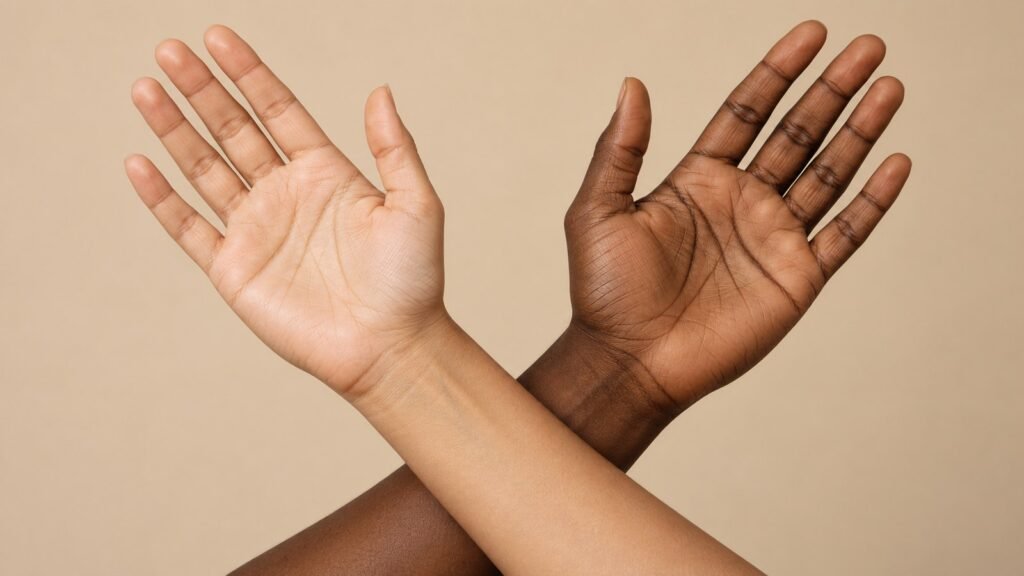
In palmistry, the dominant hand generally represents your current, active self—the traits you express outwardly—while the non-dominant hand reflects your inherent nature, potential, or inherited traits. However, traditions vary by school, and handedness alone does not determine who you are. Palm lines and shapes symbolize traditional beliefs rather than proven facts, so inclusive reading considers both hands respectfully without gender assumptions or rigid rules.
Understanding Dominant and Non-Dominant Hands in Palmistry
In palmistry, one hand is called dominant (the hand you write with), and the other is non-dominant. Traditionally, the dominant hand shows your present and conscious personality—the life you actively live and decisions you make daily. The non-dominant hand is said to reveal inherited traits, unconscious tendencies, or your potential future. However, this interpretation varies across palmistry schools. Some focus mainly on the dominant hand, others emphasize comparing both.
For instance, a right-handed person’s right hand is dominant, but a left-handed person’s left hand serves as their dominant hand. It’s important to remember handedness is a natural trait, not a secret code. Interpreters should treat all hands equally, avoiding gender-based assumptions (e.g., right hand = male traits, left hand = female traits), which are outdated and unsupported. Observing both hands uncovers a fuller picture reflecting change, stability, and growth, not fixed destiny.
How to Identify Your Dominant and Non-Dominant Hands for Reading
Identifying which hand is dominant is straightforward: it’s the hand you use for writing, eating, and daily tasks. If you’re ambidextrous, it can be less clear, so choose the hand you feel more naturally at ease with or that performs your most habitual activities. Pinpoint your dominant hand before beginning a reading to avoid confusing lines or markings between hands.
A step-by-step observation method: hold a pen and write a short sentence. The hand you use is dominant. Next, look at the lines and mounts on both hands, noting differences and similarities without rushing to interpret yet. Record or photograph both palms to compare later, focusing on core lines: life line, heart line, head line, and fate line (if visible). Avoid assuming one hand is “better” or more “correct.” Both hands tell parts of a living story.
Traditional Symbolism of Dominant vs Non-Dominant Hand Lines
In classical teachings, the dominant hand’s lines represent your active life—how you reflect and respond to life’s challenges, your conscious goals, and personal choices. For example, a deep and clear life line here traditionally denotes vitality and strength at this stage of life, while a faint line might traditionally symbolize a quieter or more careful disposition. The head line on the dominant hand reveals current thinking style and decision-making patterns.
The non-dominant hand traditionally reveals your inherited traits, possible past influences, and subconscious patterns. A strong heart line on this hand symbolizes traditional emotional tendencies passed through family or early life. Variations or breaks might symbolize tensions or growth areas. A fate line, often seen on the dominant hand, may clarify how external forces influence your current path, while on the non-dominant hand it may reflect family or genetic influences.
These interpretations are traditional symbolism only. They do not prove personality or future events. Each palmistry system offers nuanced views; for example, some Eastern traditions place different emphasis on each hand. Your personal context and open questions help reveal meaning rather than fixed answers.
Common Mistakes When Comparing Dominant and Non-Dominant Hands
Beginner readers often confuse which hand is dominant, especially if the person is left-handed or ambidextrous. Another common issue is reading one hand without considering the other, leading to an incomplete or conflicting picture. Over-reliance on stereotypical gender-based assumptions about each hand can also skew interpretation, such as assuming one hand always represents masculinity or femininity.
Additionally, focusing only on line quality or depth without considering hand shape, finger proportions, and mounts limits understanding. Sometimes readers interpret every line break or mark as significant, which can overwhelm and confuse. A better approach is to observe both hands calmly and recognize lines as symbolic reflections, not literal truths.
Finally, interpreting palm lines as predictors of exact future events or fixed personality traits is a misunderstanding of palmistry’s role. Instead, treat the dominant and non-dominant hands as dynamic parts of a self-reflective dialogue, highlighting potentials and choices rather than certainties.
Practical Exercise: Comparing Your Hands Thoughtfully
Try this simple exercise to explore your own hands carefully:
- Identify your dominant hand by writing a sentence or performing a routine task.
- Look closely at the major lines—life, heart, and head—on both hands without interpreting yet. Notice differences and similarities.
- Consider what your current life context might tell you about changes in each hand’s symbolism, such as shifts in feelings, decisions, or challenges.
Take notes or draw simple sketches of both palms for reference. Reflect on how the non-dominant hand’s traditional symbolism of inherited traits or potential fits your own story and how your dominant hand’s features correspond to your active decisions and attitudes. This practice encourages thoughtful observation and personal insight over quick conclusions.
For additional guidance, visit FreePalmReading.io’s step-by-step hand reading tutorial.
Dominant vs Non-Dominant Hand: Comparison Table
| Aspect | Dominant Hand | Non-Dominant Hand |
|---|---|---|
| Role in Palmistry | Represents current, conscious self and active traits | Symbolizes inherent nature, subconscious, past, or potential |
| Identification | Hand used for writing and day-to-day tasks | The opposite hand of the dominant one |
| Lines’ Traditional Meaning | Shows present life choices and personality | Reflects inherited traits and unconscious tendencies |
| Common Misinterpretation | Treating it as fixed fate or “true” personality | Ignoring or dismissing it as “less important” |
| Best Reading Approach | Observe for current conditions and decisions | Compare for change and potential |
Fictional Example: Julia’s Two Palms
Julia is right-handed and begins her palm reading by identifying her dominant hand—the right. On this hand, her life line is deep and clear, traditionally interpreted as strong vitality and a steady presence. Her head line is long but slightly curved, suggesting adaptability in current thinking. On the non-dominant left hand, Julia notices breaks in the heart line, traditionally seen as inherited emotional challenges or family influences.
She compares the two hands and reflects: her active life (dominant hand) currently embraces change and problem-solving, while her non-dominant hand suggests her upbringing shaped her cautious emotional side. Rather than “fixed” traits, Julia uses these observations as invitations to explore how her past influences her present choices. This inclusive understanding helps her feel empowered, not limited, in her ongoing personal growth journey.
Frequently Asked Questions
Which hand should I focus on if I’m ambidextrous?
If you use both hands regularly, consider observing both palms carefully. Reflect on which hand feels more natural for different tasks, and compare the lines and shapes on both. Avoid stressing over one being “right” or “wrong.” Many palmists encourage using both hands for a fuller picture.
Does my dominant hand always tell my future?
No, the dominant hand traditionally shows your current, active self rather than a fixed future. Palm lines symbolize traditional meanings, not guaranteed predictions. The future is influenced by choices and circumstances, not palm lines alone.
Can handedness change the interpretation of lines?
Yes, handedness shapes which palm is dominant. Different palmistry schools assign varying emphasis to each hand. It’s helpful to identify your dominant hand clearly so you can apply interpretations with flexibility, honoring multiple viewpoints.
Is male/female gender related to palm reading hands?
Modern palmistry avoids linking hands with gender traits as fact. Gender-based assumptions about dominant/non-dominant hands come from outdated systems and are not supported. Everyone’s hands are unique, and interpretations should be inclusive and free from stereotypes.
Actionable Takeaways and Closing Encouragement
- Observe carefully: Always identify your dominant hand by practical use before starting any palm reading.
- Consider both hands: Compare dominant and non-dominant palms to explore current life and inherited traits symbolically.
- Be open-minded: Use traditional symbolism as a guide but respect personal context and avoid rigid assumptions about fate or personality.
Palmistry can be a gentle, reflective tool for self-awareness and curiosity. By understanding the differences between your dominant and non-dominant hand—and treating both with respect—you engage in an inclusive, thoughtful practice. Embrace the unique story your palms may suggest, and remember: your future is shaped by your choices, not palm lines.
Further Reading
- Cheiro’s Palmistry for All – A classic historical text outlining line and hand-type interpretations from early 20th-century traditions.
- The National Library of Medicine: Palmistry as Entertainment – A historical overview of palmistry’s role in culture and history.
See what your own palm inspires
Bring these ideas to life with a reading focused on you. Choose a reading type and upload a clear palm photo to explore an encouraging interpretation.
Explore more palm reading and palmistry guides.