 Free Palm Reading
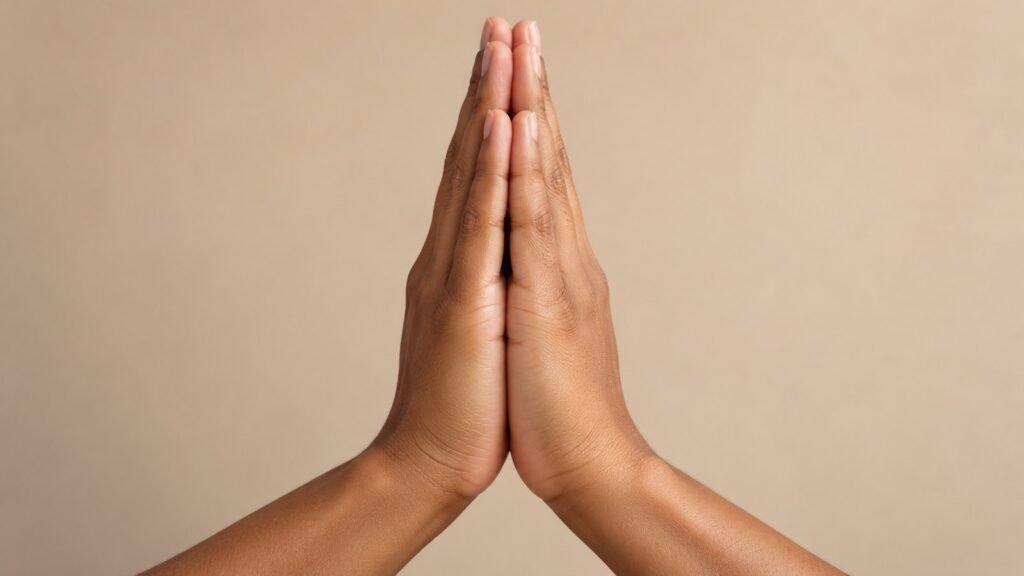
Earth hands in palmistry are traditionally identified by a square-shaped palm with thick, firm skin and relatively short fingers. Across various systems, they symbolize groundedness, practicality, and physical strength as a symbolic reflection rather than proven personality traits. Learning to recognize earth hands involves observing shape, proportions, and skin texture, and distinguishing them from other elemental hand types helps explore traditional palmistry themes with nuance and care.
Understanding Hand Shape Classification in Palmistry
In palmistry, hands are often grouped into four elemental types: Earth, Air, Water, and Fire. Each represents symbolic qualities rather than definite facts about an individual. Earth hands are traditionally described as having square palms with short, sturdy fingers and thick skin. The palm is typically wide and the mounts—the padded areas under the fingers—are well-developed but not prominently raised. This hand shape is seen as a sign of groundedness, stability, and practical intelligence. However, competing systems differ on finer points; for instance, some emphasize finger length ratios, while others focus more on skin texture or finger flexibility. Observers should note that these classifications emerged from cultural symbolism and entertainment rather than scientific personality testing. Identifying earth hands requires careful observation of proportions: if the palm length and width are nearly equal and the fingers look notably short relative to the palm, the hand may belong to the earth category. Nevertheless, one should avoid rigid labeling, as many hands display mixed traits.
Key Features of Earth Hands: Shape, Finger Length, and Skin
The defining features that suggest earth hands include a square palm, which means the length and width are roughly equal when measured from the wrist to the base of the fingers and across the palm at its widest point. Fingers tend to be short and thick, and the tips often appear blunt or rounded rather than tapered. The skin is traditionally said to be thicker or tougher, sometimes described as “leathery,” reflecting a tactile durability rather than a clinical condition. Nails are usually broad, complementing the robust fingers. Mounts are not highly prominent, conveying grounded energy but without flashy flair. While some palm readers emphasize the feel of the skin during a reading, this remains subjective and varies by individual and environment. It’s important to consider these traits in combination, not isolation, as hand shapes can vary in subtle ways, making classification less rigid. Earth hands often present a sturdy but not overly stiff appearance, offering a physical symbolism of steadiness and reliable support according to traditional palmistry.
Traditional Themes Associated with Earth Hands
Within traditional palmistry, earth hands symbolize qualities tied to groundedness, reliability, and practical work ethic. Readers often describe such hands as indicating a person with a close connection to the material world, who values stability and tangible results. These hands are symbolic of patience, endurance, and a preference for routine over impulsivity. Earth hands are historically linked to those who enjoy physical labor or have an affinity for nature and the outdoors. The symbolism reflects comfort in familiar environments and practical problem-solving skills rather than emotional or intellectual extremes. These interpretations serve as cultural metaphors rather than guaranteed traits; the hand’s form suggests a mindset oriented toward perseverance and common sense. Traditional palmistry encourages focusing on a person’s agency—how they use their strengths—rather than fixed fate, highlighting evolving life patterns instead of static characteristics. Recognizing that these themes arise from long-standing, diverse traditions helps readers appreciate earth hands as a reflective entertainment tool rather than a determinative test.
Common Lines and Markings Seen on Earth Hands
In addition to shape and texture, earth hands are analyzed by their major lines: heart line, head line, and life line. Traditionally, the heart line on earth hands is often straight or slightly curved and tends not to be overly long. A straight heart line can symbolize emotional steadiness and practicality in personal relationships rather than passionate extremes. The head line typically appears deep and clear, reinforcing the motif of clear thinking and good memory within traditional interpretations. The life line on earth hands is often pronounced and sweeping, given the association with physical vitality and health symbolically, not medically. Minor lines and markings tend to be less complex, reflecting the hand’s tidy, grounded nature. Palm readers note that the texture and depth of those lines sometimes align with the hand’s overall sturdiness. However, varying traditions and cultural contexts mean these interpretations differ widely, and lines do not offer empirical truth about personality or future. Observing these lines alongside hand shape helps build a composite symbolic profile consistent with earth hand themes, but it is always best to treat this as an interpretive art, not a science.
Step-by-Step Method to Identify Earth Hands
To observe whether a hand fits the earth category, follow these steps:
- Measure Palm Shape: Compare palm length (wrist to finger base) and palm width (across the widest part). If roughly equal, the palm is square.
- Assess Finger Length and Shape: Are the fingers short relative to the palm? Check for thick, rounded finger tips.
- Feel Skin Texture: If possible, note if the skin feels thicker or coarser than average, a traditional marker of earth hands.
- Check Mount Prominence: Observe if mounts under fingers are moderate but not overly pronounced.
- Review Major Lines: Are the heart and head lines fairly straight and clear, with a deep life line?
- Compare to Other Hand Types: Contrast with air hands (square palms and long fingers) or water hands (long palms and fingers) to confirm earth hand traits.
By carefully combining these observations, you avoid mislabeling hands that have mixed features—such as a square palm with longer fingers, better fitting other categories. Remember, hand shape is one aspect of palmistry’s symbolic language and should be approached with flexibility and curiosity rather than certainty.
Common Misunderstandings When Identifying Earth Hands
Some people mistakenly equate earth hands solely with large or rough hands, but size alone is insufficient for classification. A large hand that is long rather than square does not qualify as earth. Others may prioritize skin feel over shape, which can mislead since skin texture varies from person to person due to factors unrelated to palmistry. Additionally, focusing too much on finger length without considering overall palm proportions can result in confusion between earth and air (square palm but long fingers) hands. Another common error is to treat earth hand symbolism as factual personality diagnosis; traditional palmistry offers symbolic interpretations, not fixed conclusions. Lastly, neglecting cultural or historical nuance can flatten complex traditions into oversimplified stereotypes. Readers are encouraged to consider hand shape and lines as part of a meaningful, evolving story—served best as thoughtful entertainment and self-reflection prompts, not deterministic statements.
Fictional Example: Identifying Earth Hands in Practice
Imagine Maria, a newcomer to palmistry, examining her friend Daniel’s hands. Daniel’s palms appear almost square, wider than tall when viewed head-on. The fingers are short with round tips and broad nails. Maria notices the skin seems firm and not soft or translucent. The mounts under his fingers are modest, lacking exaggerated swellings. The heart line looks straight and clear, and the head line is deep and long. From this, Maria concludes Daniel likely has earth hands according to traditional symbolism. She reflects that the symbolism of steadiness and practical grounding matches Daniel’s calm and down-to-earth nature, though she remembers this is a cultural interpretation rather than scientific fact. Maria uses this observation as a way to start a friendly discussion about character and preferences, inviting Daniel’s thoughts on how these traditional symbols resonate or differ from his experience.
Comparison Table: Key Traits of Earth Hands vs Other Elemental Types
| Trait | Earth Hands | Air Hands | Water Hands | Fire Hands |
|---|---|---|---|---|
| Palm Shape | Square (length ≈ width) | Square but longer fingers | Long palm and fingers | Rectangular, longer palm than width |
| Finger Length | Short, thick, blunt tips | Long and slender | Long and flexible | Short to medium, tapering tips |
| Skin Texture | Thick, firm (leathery) | Light, dry | Smooth, soft, sometimes moist | Warm, often ruddy |
| Mounts | Moderate, stable | Prominent, well-defined | High, rounded | Prominent, muscular |
| Traditional Symbolism | Practical, grounded | Intellectual, communicative | Emotional, intuitive | Energetic, passionate |
Practical Exercise: Observing Your Own Earth Hand Features
Try this simple self-observation to explore earth hand traits:
- Place your non-dominant hand palm-up before you.
- Use a ruler or a finger to estimate the palm length (from wrist crease to finger base) and palm width (at the widest point).
- Notice if length and width are roughly equal, suggesting a square palm.
- Examine finger length: are your fingers noticeably short or thick compared to the palm?
- Feel the skin texture—is it firm, thicker, or “leathery” compared to your other hand or someone else’s hand you know?
Note your impressions without rushing to label yourself. If your hand aligns with earth hand features, consider how traditional symbolism of practicality or groundedness connects with your life experiences—not as a fixed personality trait, but as an invitation for reflection.
For more structured guidance, visit FreePalmReading.io’s step-by-step exercise page to deepen your palmistry practice.
Frequently Asked Questions About Earth Hands
Do earth hands predict my personality definitively?
No, traditional palmistry presents earth hands as symbolic representations of grounded and practical qualities but does not scientifically establish personality traits. The interpretations are cultural reflections rather than factual predictions.
Can hand skin texture alone identify earth hands?
Skin texture is only one part of identifying earth hands and is subjective. It should be combined with observing palm shape and finger length for a more traditional classification.
Are earth hands common or rare?
Earth hands vary widely across individuals. Their classification depends on proportional comparisons rather than rarity. Many people may show mixed traits from different elemental types.
Does having earth hands guarantee I’m physically strong?
Traditional symbolism associates earth hands with physical endurance, but this is metaphorical. Hand shape does not scientifically indicate physical strength or health.
Three Actionable Takeaways
- Observe hand proportions first: Focus on the square shape of the palm and finger length relative to the palm to identify earth hands traditionally.
- Combine features: Use skin texture, mount prominence, and line clarity along with shape to form a rounded picture rather than relying on any single trait.
- Reflect on symbolism: Use earth hand themes as prompts for personal reflection on groundedness and patience rather than fixed personality labels.
Conclusion
Earth hands offer a rich symbolic vocabulary in palmistry rooted in traditional elemental classifications. By carefully observing square palms, short fingers, and firm skin texture, enthusiasts can explore symbolic themes of groundedness, pragmatism, and endurance. While these interpretations are entertaining and culturally meaningful, they are not definitive personality assessments or fate predictions. Approached with curiosity and balance, earth hand analysis enriches a thoughtful dialogue about self and others without rigid judgments. For further exploration of hand shapes and lines, including free palm reading resources, visit FreePalmReading.io and discover the enjoyable art of palmistry with an informed, respectful perspective.
Further Reading
- Cheiro’s Palmistry for All — A historical primary text detailing traditional palmistry hand shape and lines classification, illustrating classical beliefs.
- The National Library of Medicine on palmistry — An overview of historical palmistry practices as entertainment rather than diagnostic science.
See what your own palm inspires
Bring these ideas to life with a reading focused on you. Choose a reading type and upload a clear palm photo to explore an encouraging interpretation.
Explore more palm reading and palmistry guides.