 Free Palm Reading
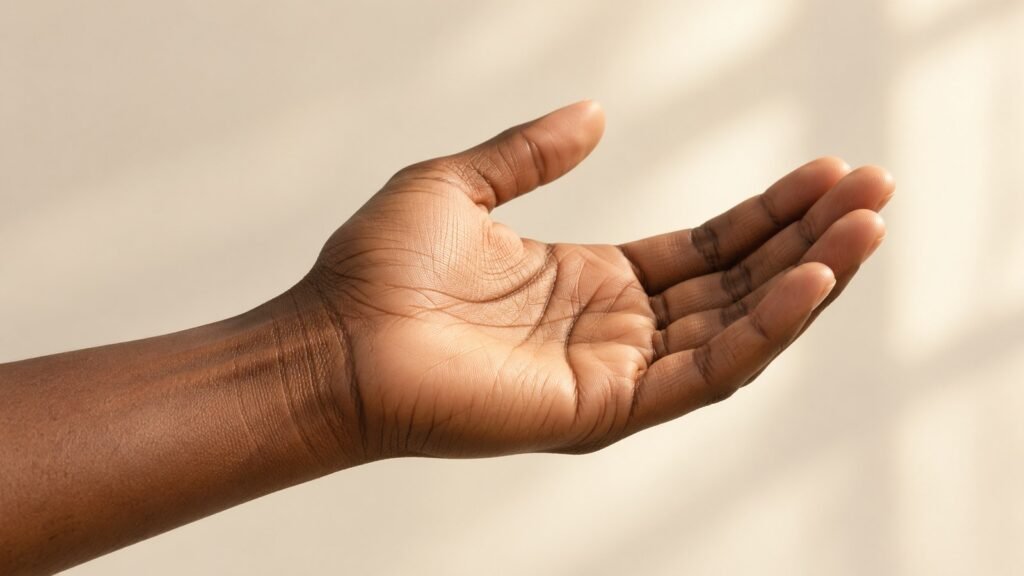
Online palm reading offers convenient, immediate access to traditional palmistry interpretations using photos or video, while in-person sessions provide direct observation of subtle hand details and a more interactive experience. Both formats have value but differ in sensory richness, personal connection, and observational precision.
Understanding the Basics: What Palm Reading Observes
Palm reading traditionally focuses on three main elements: the shape of the hand, the lines on the palm, and the mounts or fleshy pads at the base of the fingers and thumb. Observers note characteristics like the curvature, length, texture, and intersections of these features.
It is important to emphasize these features as symbols rather than scientific markers. For example, a “life line” curving deeply around the thumb visually represents energy or vitality according to traditional beliefs, but it does not determine actual lifespan. Likewise, variations in hand shape—such as square, conical, or spatulate fingers—have been symbolically associated with temperaments but offer no proven insight into personality or ability.
Whether experienced in an online or in-person setting, the observer’s ability to detect details like hand orientation, skin texture, subtle lines, and finger positioning influences what can be shared. Online palm readers rely on clear, well-lit images, sometimes coupled with guided video calls, whereas in-person readers benefit from three-dimensional views and tactile feedback.
Accessibility and Convenience of Online Palm Reading
Online palm reading excels at providing easy access. Anyone with a smartphone or webcam can upload images or join a live video session within minutes from anywhere globally. This flexibility suits those curious about palmistry but unable or unwilling to travel to a specialist.
Online platforms often include tools to help users align their hands correctly for photos and may automate basic line detection, though these tools vary in sophistication. The asynchronous nature of some online sessions lets clients digest interpretations at their own pace without a scheduled appointment.
However, image quality is a limiting factor. Shadows, glare, and resolution can obscure subtle line breaks or skin texture nuances. Additionally, the absence of physical presence reduces opportunities for spontaneous interaction or clarification, making the reading feel less personalized.
Advantages of In-Person Palm Reading Sessions
In-person sessions allow the reader to observe the hand from multiple angles, adjusting lighting or hand position to reveal fine details hard to capture digitally. Being physically present encourages rapport, where clients can ask questions immediately and guide the reading toward personally meaningful topics.
The tactile element—though not universally practiced—lets some readers note texture differences, palm flexibility, or warmth, which historically were thought to influence interpretation. In-person engagement also limits misunderstandings, as body language and voice tone add depth to communication.
Despite these advantages, in-person readings require time, travel, and possibly higher costs. Accessibility is limited by geographic location and the available expertise locally. For beginners, the intimate setting can feel intimidating or overly serious compared to exploring palmistry casually online.
Common Mistakes When Comparing Online and In-Person Readings
One frequent error is assuming that online images directly replicate the in-person hand view. Angles or lighting distortions online may hide or exaggerate lines and mounts, leading to flawed interpretations based on incomplete details.
Another mistake is conflating the symbolism of palm lines with definitive personal traits or fixed fate. Both online and in-person palmistry rely on traditional symbolism, intended for reflection rather than absolute judgments.
Avoid expecting miracle accuracy or predictive certainty. Palm reading—whether online or in person—is a form of entertainment and introspection, not a science. This mindset allows engagement with the experience without disappointment.
Lastly, some users neglect preparing their hands properly for online reading—such as washing or moisturizing to avoid glare and wearing simple polish-free nails—resulting in unclear images that reduce interpretive value.
Step-by-Step: How to Observe Your Palm Effectively Online
For those exploring palm reading online, following a simple observation method improves both photo quality and personal understanding.
- Prepare your hand: Clean your palm, remove rings or bracelets, and ensure nails are trimmed and unpolished to reduce distractions.
- Find good lighting: Use natural daylight near a window or indirect soft light to avoid glare and shadows.
- Position your hand: Hold it relaxed, palm fully visible, fingers slightly spread but natural. Place the back of the hand on a neutral background for clarity.
- Take multiple photos: Capture straight-on views and slight angles to show details like mounts and line depth.
- Label your images or notes: Identify dominant lines (life, heart, head, fate), major hand shape, and finger lengths to organize observations when submitting or reviewing readings.
This process helps online palm readers provide richer traditional symbolism in interpretations and encourages users to engage actively.
Practical Exercise: Deepening Your Palm Reading Experience
Engage personally with palmistry by applying these three takeaways:
- Observe first, interpret later: Focus on noticing shapes and lines as visual patterns before attaching meaning.
- Ask reflective questions: When reading interpretations, consider how the symbolism relates to your current life experience rather than fixed facts.
- Compare both hands: Differences between dominant and non-dominant hand features are traditionally said to highlight potential versus realized traits. Use this as a tool for self-reflection.
Trying a simple self-observation and submitting your photos to a free palm reading resource like FreePalmReading.io can expand your understanding on your own time and terms.
Fictional Example
Imagine Alice, a beginner curious about palmistry, chooses to try reading her own palm online. She washes and dries her hands, then takes three photos under natural daylight: one straight-on photo of her right palm, one angled to highlight the mounts, and one close-up of the heart line. She uploads these to an online palm reading site.
The reader notes Alice’s hand shape resembles a “conical” type, traditionally associated with creativity, and points out a well-defined head line, symbolizing mental clarity in palmistry folklore. The life line curves deeply but does not extend fully around the thumb, a classic motif often linked to vitality variation.
Alice is invited to consider these traditional symbols reflectively, rather than as definitive predictions. She decides to journal about her current creative projects and mental focus, using the palm reading as a tool for personal inspiration rather than certainty, appreciating the symbolic insight offered through the online format.
Comparison Table: Online vs In-Person Palm Reading
| Aspect | Online Reading | In-Person Reading |
|---|---|---|
| Accessibility | Available anytime, anywhere with smartphone or webcam | Limited by location and schedule |
| Observation Details | Dependent on image quality, lighting, user’s photo skills | Direct 3D view, multiple angles, tactile feedback possible |
| Interaction | Often less spontaneous; may be asynchronous or via video | Immediate back-and-forth, richer nonverbal cues |
| Cost & Effort | Generally lower cost, no travel required | Potentially higher cost, requires travel/time investment |
| Personalization | May feel less personal; relies on clear images and communication | Greater rapport and tailored responses possible |
Frequently Asked Questions
Does online palm reading provide the same level of detail as an in-person session?
Online readings can capture many traditional features if photo quality is good, but they may miss subtle textures, angles, or minor line details visible in person. Interaction is also often less dynamic.
Can palm lines shown online predict my future?
Traditional palmistry views lines symbolically rather than predictively. Neither online nor in-person readings can guarantee future events or characteristics.
How should I prepare my hand photo for an online palm reading?
Clean your palm, avoid nail polish or jewelry, use natural soft light, and take clear, focused photos with fingers naturally spread. Multiple angles help readers interpret better.
Is it better to read the dominant or non-dominant hand?
Both hands are traditionally symbolic. The dominant hand is often seen as reflecting current traits or future potential realized, while the non-dominant may show inherited or potential traits. Observing both adds depth to interpretation.
Conclusion
Whether you choose online or in-person palm reading, understanding what each format offers helps set realistic expectations and maximizes your experience. Use palm lines and hand shapes as symbolic tools for reflection, not fixed truths. Engaging with palmistry can be enjoyable and insightful when approached with curiosity and openness. For beginners, starting online with clear photos and thoughtful questions is a practical way to explore this traditional art at your own pace before considering an in-person session.
Further Reading
- Cheiro’s Palmistry for All: A classic text illustrating historical palmistry symbolism and terminology.
- Palmistry as Entertainment – National Library of Medicine: Historical overview of chiromancy’s roles and traditions.
See what your own palm inspires
Bring these ideas to life with a reading focused on you. Choose a reading type and upload a clear palm photo to explore an encouraging interpretation.
Explore more palm reading and palmistry guides.