 Free Palm Reading
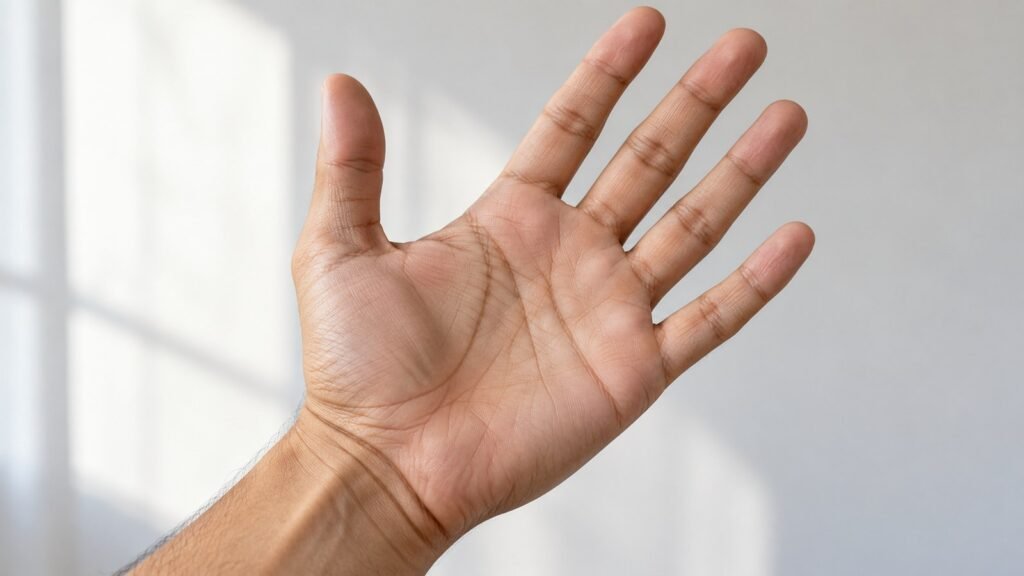
When choosing which palm to read first as a beginner, start with your dominant hand (the one you write with). Traditionally, this hand reflects your current self and conscious mind, making it easier to identify lines and features. The non-dominant hand often represents potential or inherited traits, which can be more subtle or complex to interpret for first-timers.
Understanding the Roles of Each Hand
In palmistry, the two hands are seen as representing different aspects of an individual’s life and personality. The dominant hand—right hand for most right-handed people and left hand for left-handed individuals—is traditionally considered the “active” hand. It reflects your conscious mind, your current life situation, and how you express yourself in the world. Reading this hand first helps beginners because the lines tend to be clearer, and the changes in the hand are more apparent.
The non-dominant hand, by contrast, is sometimes called the “passive” or “inherited” hand. It is believed to illustrate innate traits, early childhood influences, or potential tendencies. For a beginner, this hand can be harder to interpret since the lines may present deeper or less obvious meanings, often requiring a contextual understanding of the dominant hand’s story.
It is important to remember these meanings come from traditional palmistry symbolism and are not scientifically proven. Using the dominant hand first offers a practical starting point for observation and learning.
Step-by-Step Method to Choose and Observe Your First Palm
Begin by identifying your dominant hand—the hand you use most often for writing or daily activities. This is your starting point. Then follow these steps:
- Clean and relax your hands to see lines clearly and avoid tension that hides details.
- Observe the overall shape of your palm and fingers (italic, square, wide, narrow) before focusing on lines. This offers context for line size and placement.
- Locate and trace the three major lines: Life line (curves around the thumb base), Heart line (runs near the top under the fingers), and Head line (generally horizontal across the center).
- Note distinct features like breaks, forks, or intersections but only as visual markers; interpret them as traditional symbols only.
- Compare with your non-dominant hand after you feel comfortable observing one palm. This reveals potential differences or complementary insights.
This order helps develop a reliable observation habit before attempting interpretation.
Common Mistakes Beginners Make When Choosing a Palm
Ignoring hand dominance: Some beginners flip between hands randomly, causing confusion because lines differ in each. Always start with your dominant hand.
Over-interpreting faint lines: Lines can appear faint or blurry. Beginners often assign meaning prematurely. Instead, treat faint or broken lines as features to re-examine later.
Mixing personal assumptions with tradition: It’s tempting to assign fixed personality traits based on lines, but palmistry is symbolic tradition, not psychology or fate.
Neglecting hand shape and mounts: These influence interpretation context but are difficult for beginners. Focus first on major lines and hand dominance.
Rushing to conclusions: Palm reading requires patience and repeated observation. There is no guaranteed method or proven trait extraction in any single hand.
Comparing Left and Right Palms: A Quick Checklist
| Aspect | Dominant Hand (Usually Right) | Non-Dominant Hand (Usually Left) |
|---|---|---|
| Represents | Current life and conscious self (traditionally) | Innate traits or potential (traditionally) |
| Line clarity | Generally clearer and more defined | Often fainter or less distinct |
| Hand shape | Usually more developed and flexible | More stable or less changed |
| Ease for Beginners | Recommended starting point | Better for comparison after practice |
| Common challenges | May show stress or recent changes | Lines harder to interpret alone |
Fictional Example: Choosing the Right Palm First
Emma, a beginner to palm reading, wonders which of her hands to study first. She is right-handed, so she starts with her right palm. Sitting comfortably, Emma washes her hands and relaxes them, then looks closely at her dominant hand’s shape and lines. She finds the Life line curving clearly around the thumb base, distinct Heart and Head lines, and some minor line branches. At first, she notes these as mere visual features rather than definitive signs, remembering traditional symbolism only.
After studying her right palm thoroughly with notes, she compares the left palm. The left hand’s lines appear lighter and less pronounced. Emma realizes that starting with the dominant right hand helped her build confidence. She intends to learn more about traditional meanings later but focuses now on correct observation and hand dominance as her foundational steps.
Frequently Asked Questions
Which palm shows my future?
Traditional palmistry suggests the dominant hand represents current life and personal decisions, while the non-dominant hand may show inherited tendencies or potential. However, these are symbolic beliefs, not guarantees of future events.
What if I’m ambidextrous and don’t have a dominant hand?
If you use both hands equally, choose the hand you feel more comfortable studying or have easier access to. You can also read both palms individually, noting differences without prioritizing one over the other.
Can the dominant hand ever switch meaning?
Some traditions acknowledge changes in hand dominance over time or due to injury. Beginners should simply select the hand they currently use most often, as that offers the clearest lines and easier interpretation starting points.
Will the non-dominant hand be harder to read?
The non-dominant hand may show subtler lines and features linked to inherited or dormant traits. For beginners, this can make it trickier to interpret immediately, so it’s best to start with the dominant hand and return to the other palm later.
Practical Exercise and Takeaways
Try this simple exercise to gain confidence in choosing which palm to read first:
- Identify and clean your dominant hand. Spend 5 minutes observing the Life, Head, and Heart lines with good light.
- Make notes or sketches describing the shapes and general impressions, avoiding interpretation.
- After resting, examine your other hand and compare its lines and shape with the first.
Your three takeaways:
- Always begin with the hand you use most—your dominant hand—and treat it as your primary palm reading guide.
- Focus first on clear observation of major lines and shapes before exploring symbolic meaning.
- Use the non-dominant hand later for comparison, potential, or inherited traits traditionally thought to be reflected there.
Explore practical palmistry guidance further at FreePalmReading.io’s first reading step to build your skills one step at a time.
Conclusion
Choosing which palm to read first is a key beginner decision. By starting with your dominant hand—the one you write with—you benefit from clearer lines and easier observation. This practical, traditional approach helps you develop strong foundational skills in palm reading. Remember, palmistry is cultural symbolism and entertainment rather than proven science, so enjoy the process with an open, curious mind. When you feel confident, try comparing both palms to enrich your understanding. With patience and practice, your palm reading journey becomes an enlightening exploration of traditional meanings, self-awareness, and friendly observation.
Further Reading
- Cheiro’s Palmistry for All – A historical primary text covering classic palm line and hand shape classifications and traditional symbolism.
- Palmistry: The Future in the Palm of Your Hand – National Library of Medicine’s historical overview of palmistry’s entertainment and belief context.
See what your own palm inspires
Bring these ideas to life with a reading focused on you. Choose a reading type and upload a clear palm photo to explore an encouraging interpretation.
Explore more palm reading and palmistry guides.